

Industrial Hiring Landscape on Alabama’s Gulf Coast

Alabama’s Gulf Coast is a hub for manufacturing, shipbuilding, and industrial operations. Employers in this region face a dynamic hiring landscape shaped by local industry needs, skilled labor demand, and the area’s unique economic drivers. If you manage hiring for a plant, shipyard, or industrial facility from Mobile to Baldwin County, understanding these factors helps you stay competitive and keep operations moving.
What Drives Industrial Hiring on Alabama’s Gulf Coast?
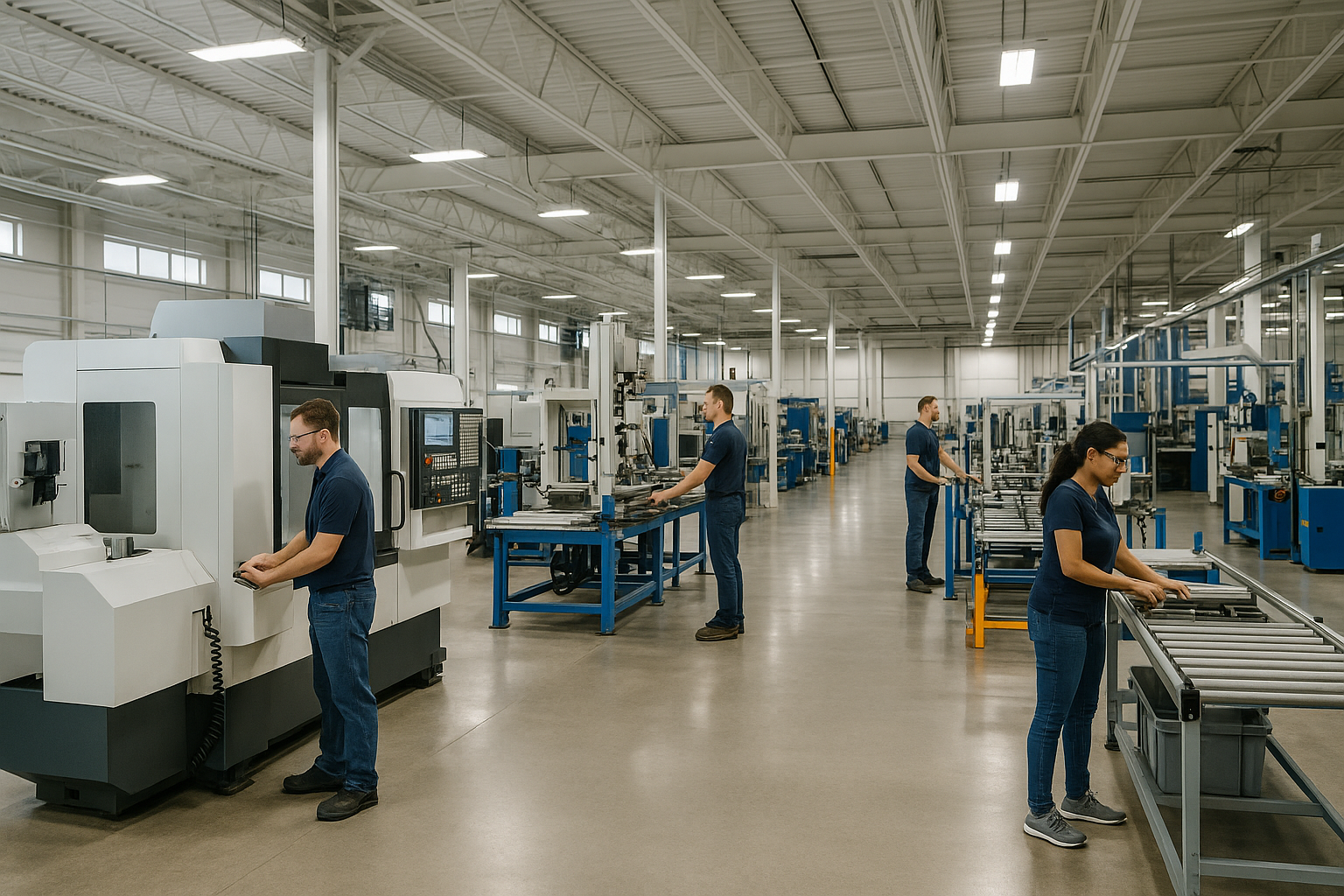
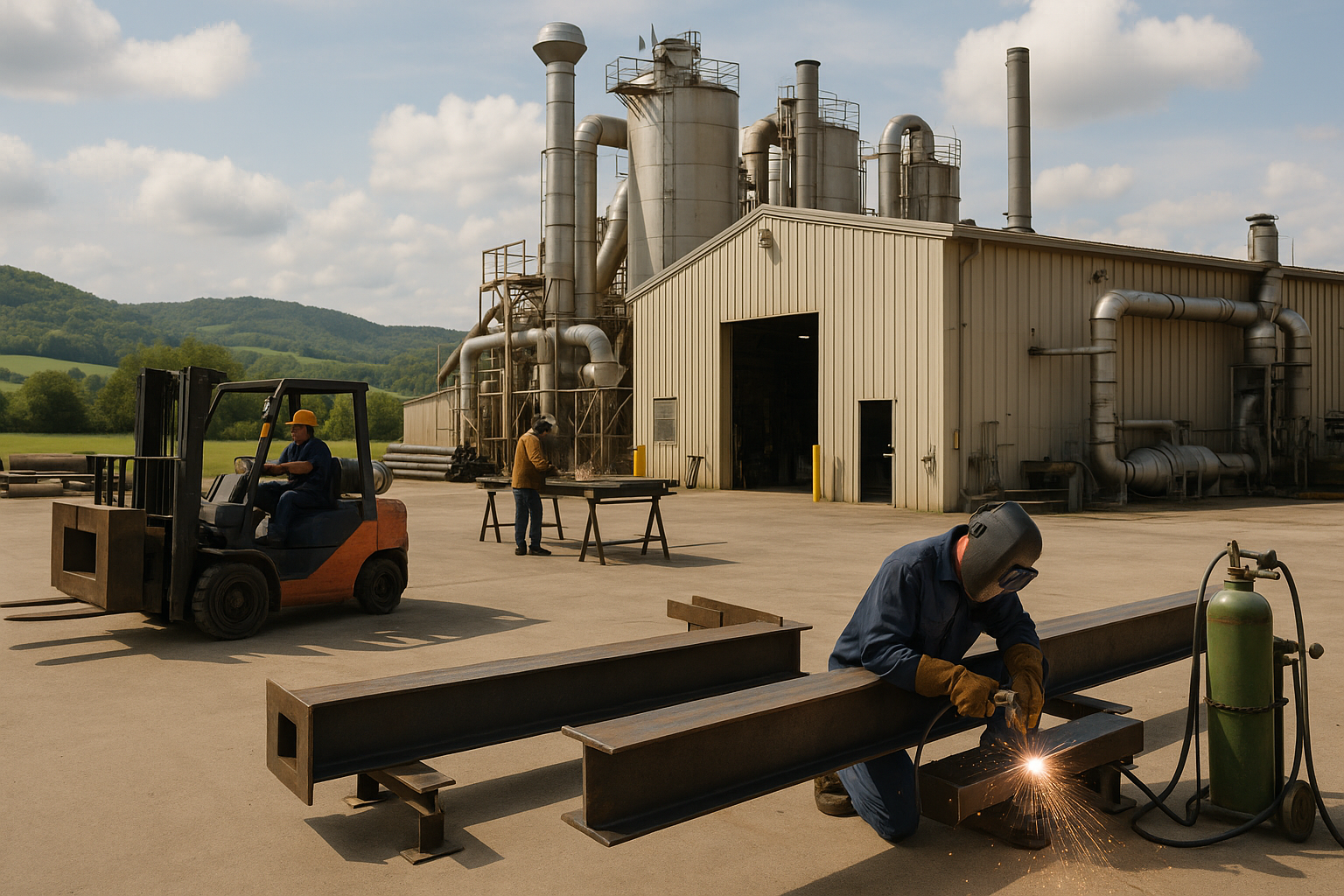
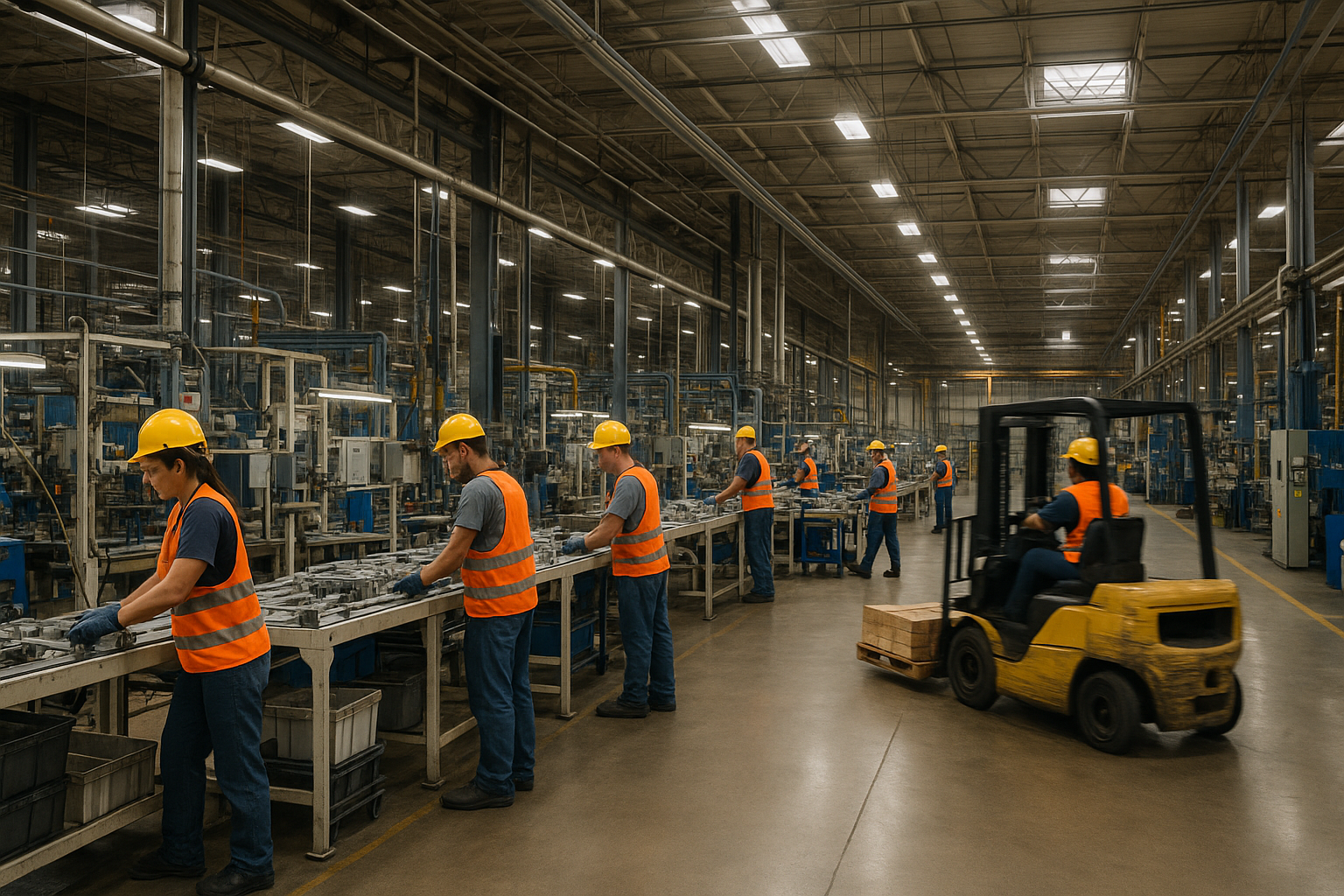
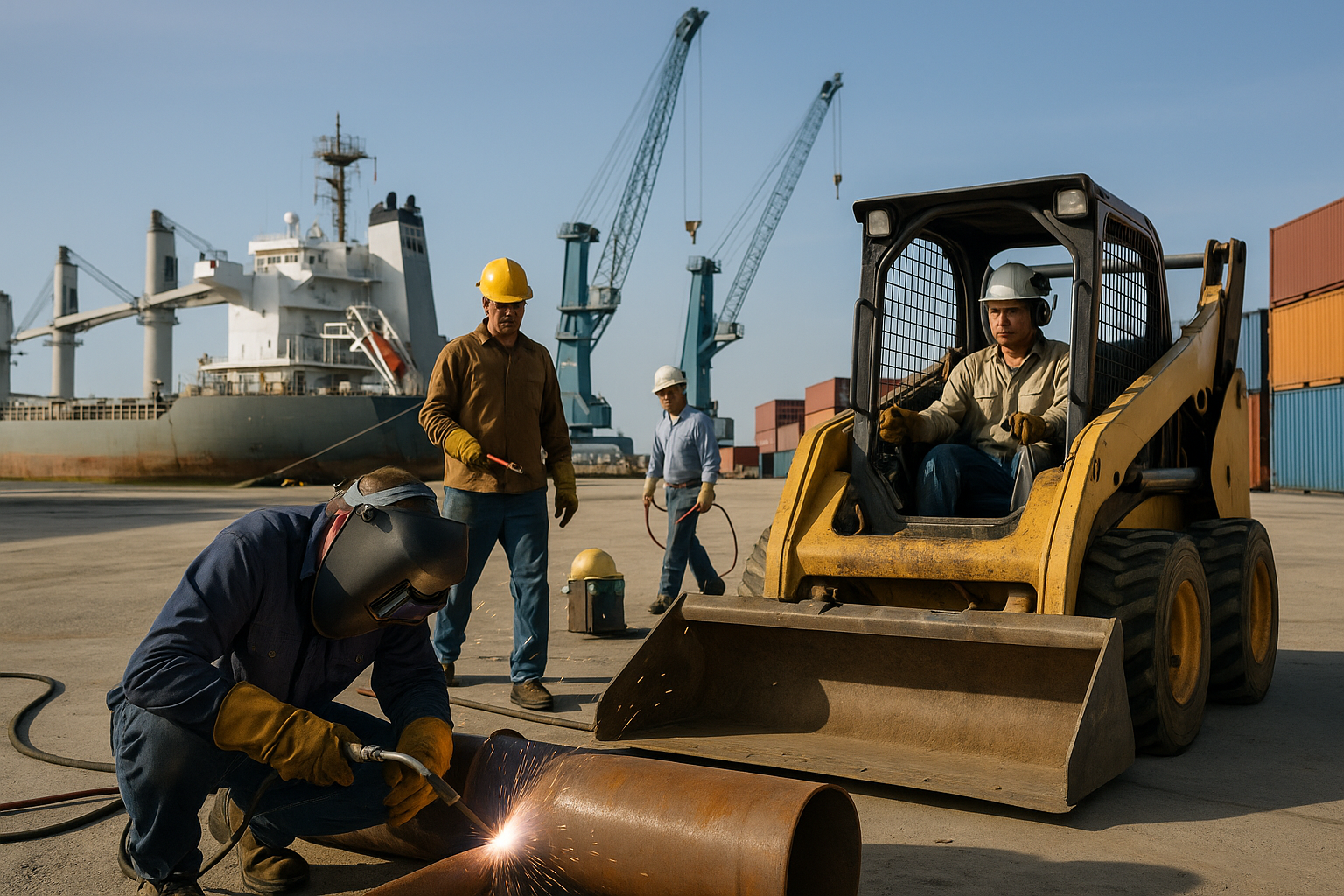
The Gulf Coast stands out for its concentration of maritime activity, heavy manufacturing, and transportation hubs. Shipbuilding, steel production, paper mills, and logistics operations anchor the local economy. The presence of deepwater ports and a strong transportation network means employers often need workers who are familiar with demanding, safety-focused environments.
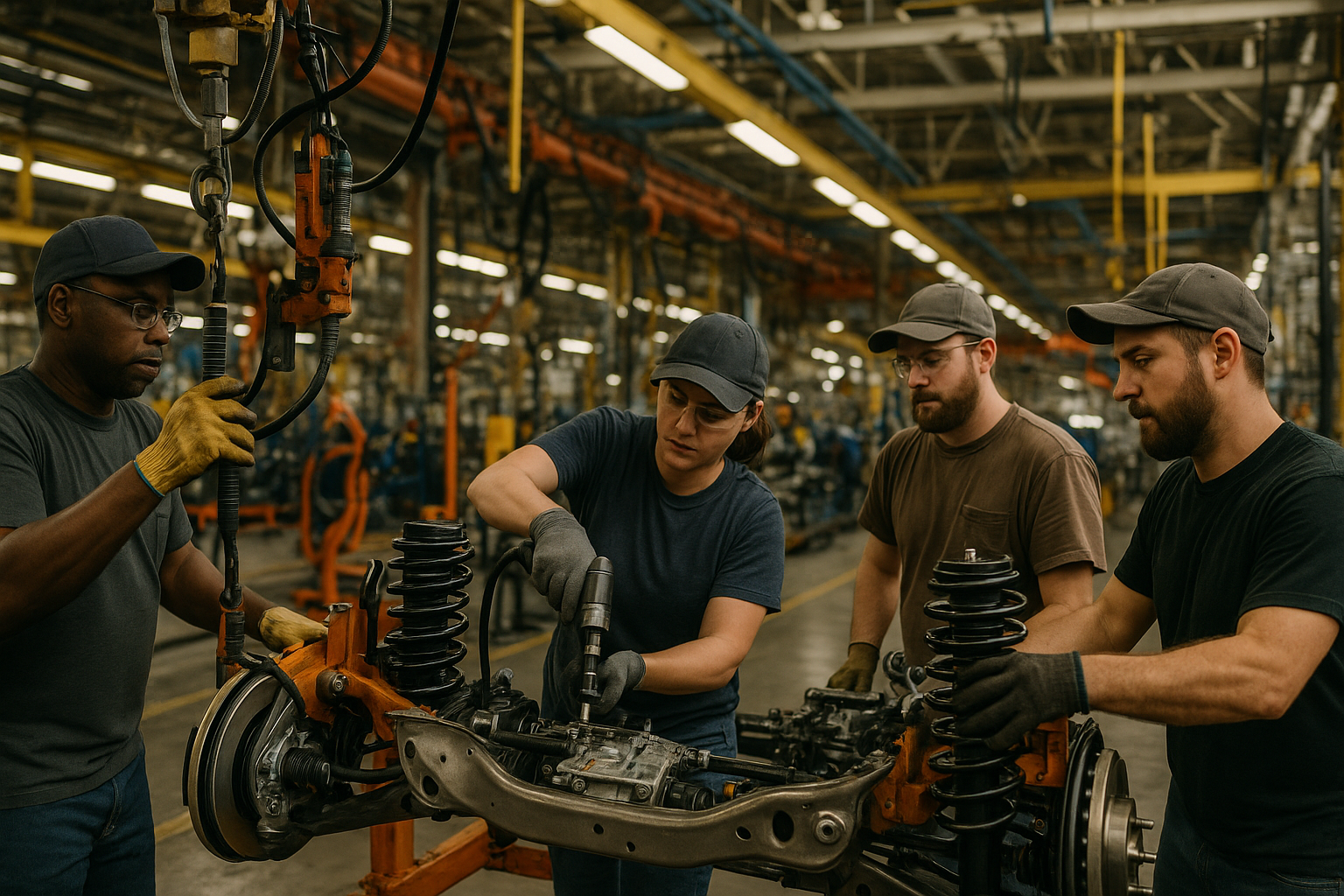
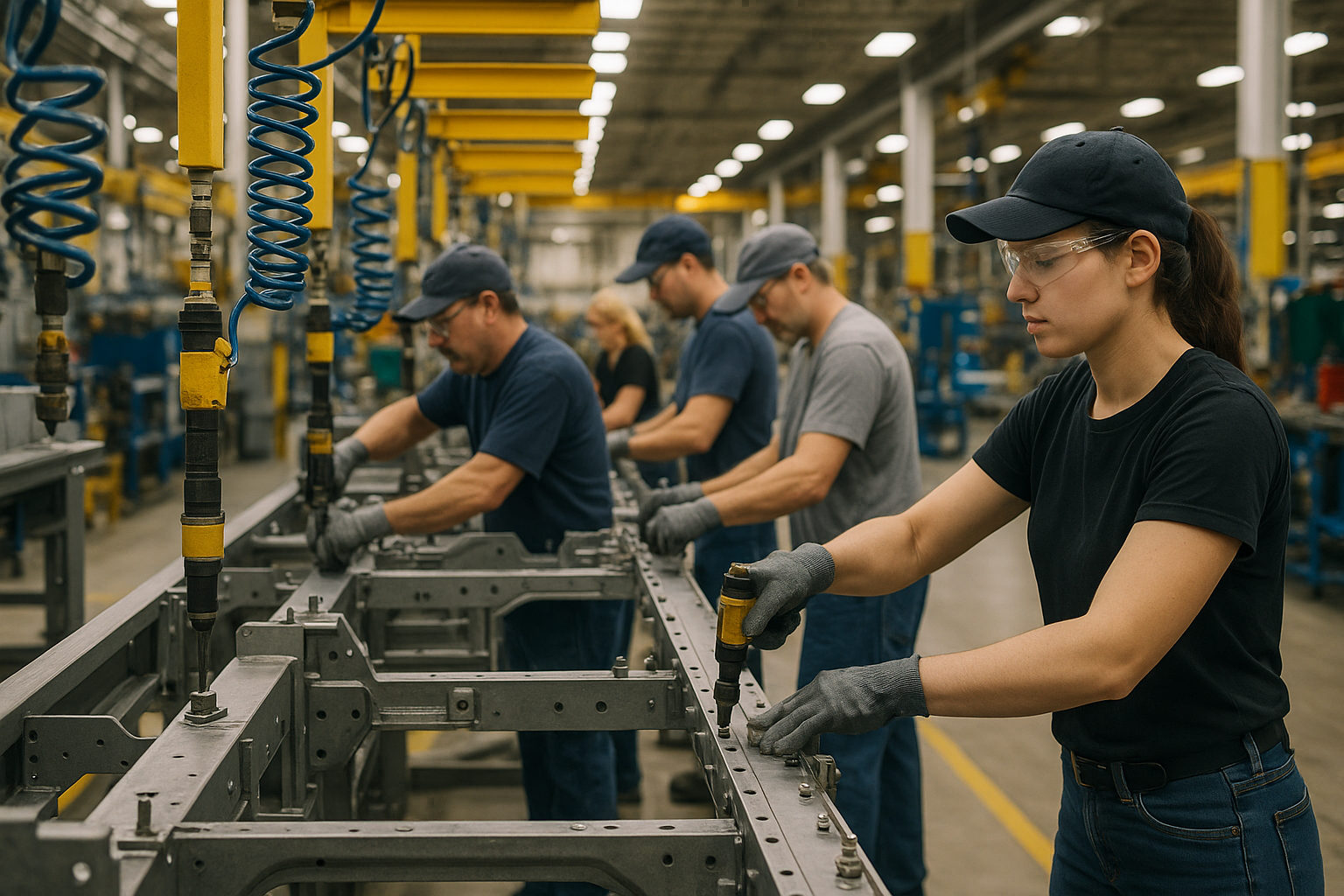
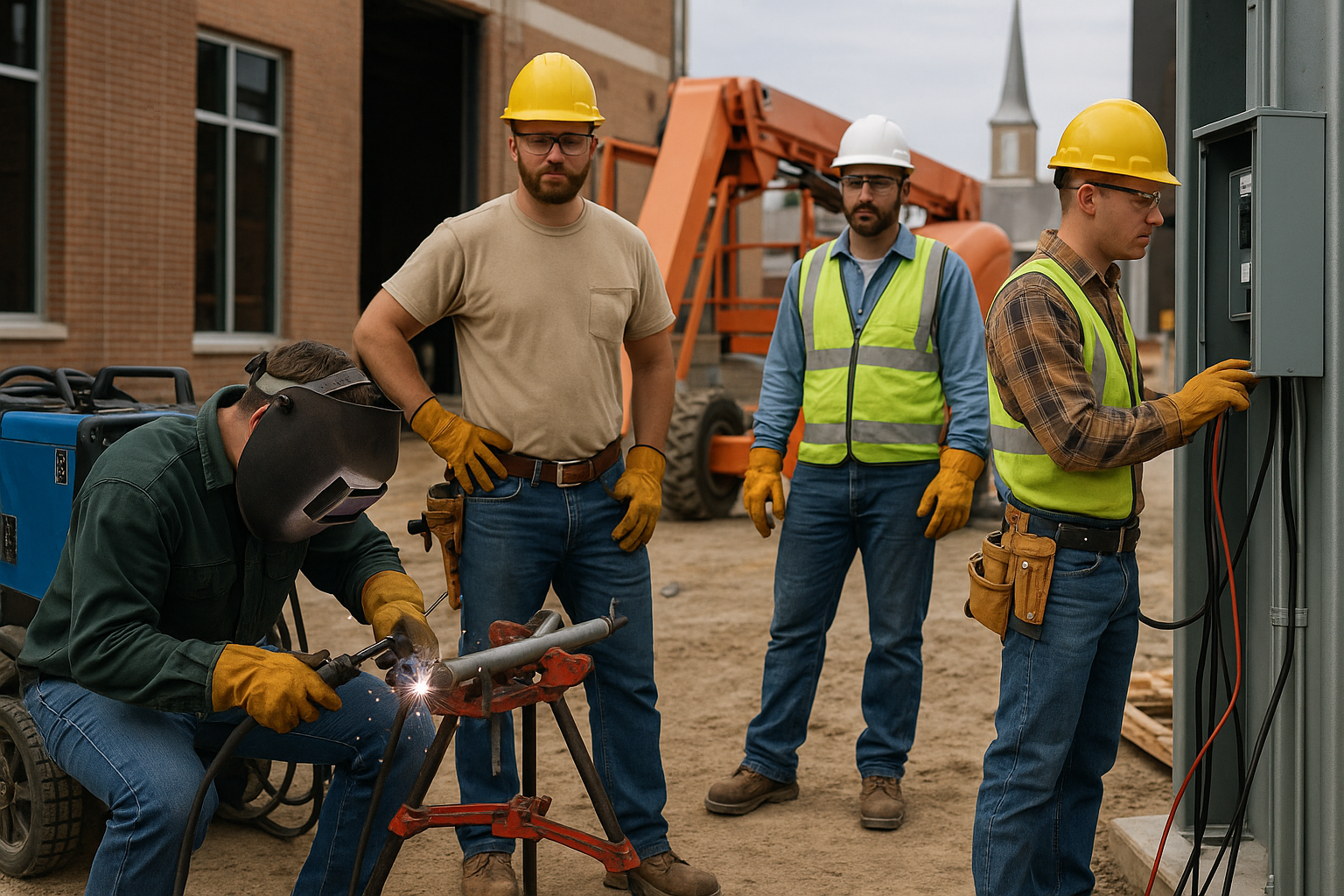
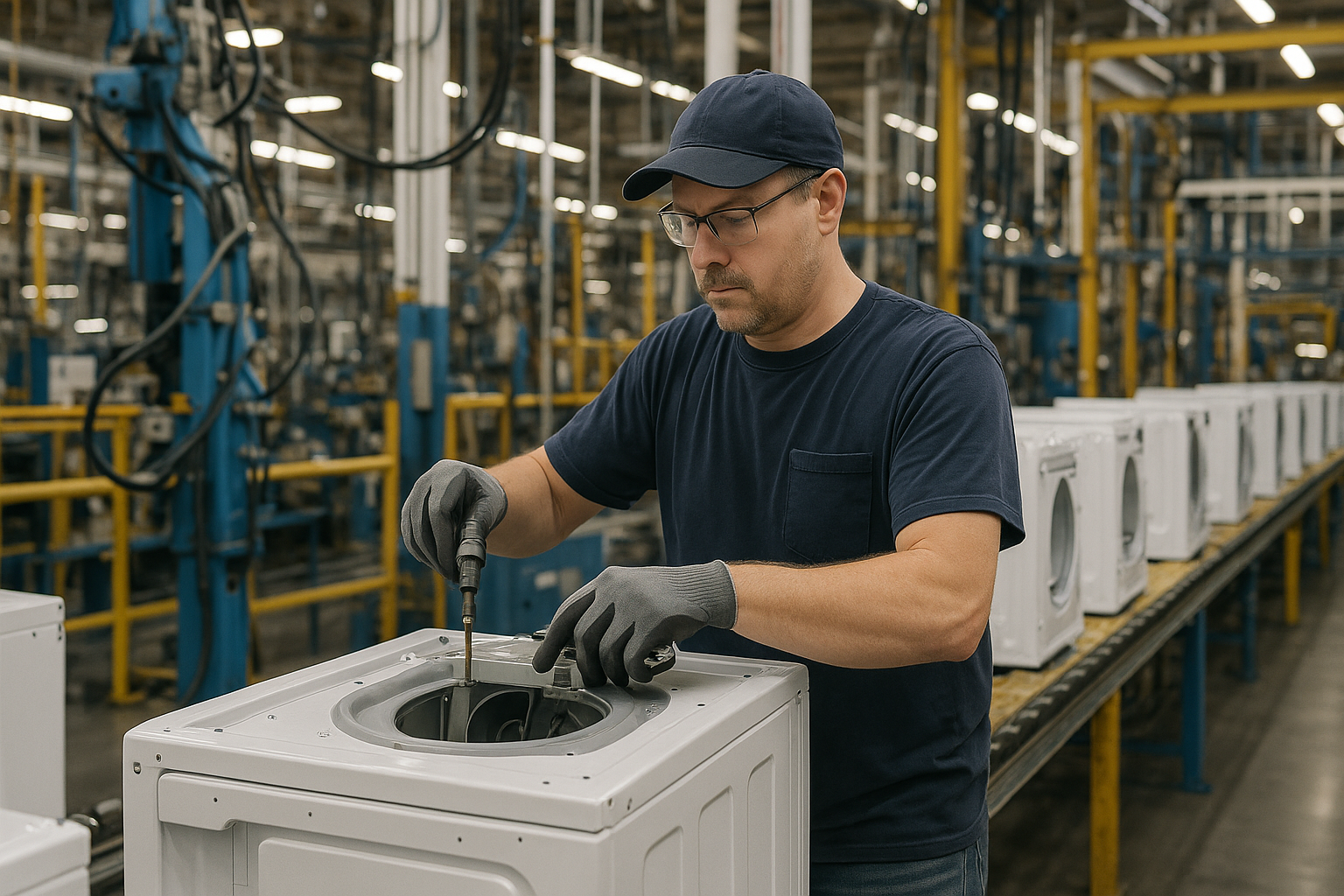
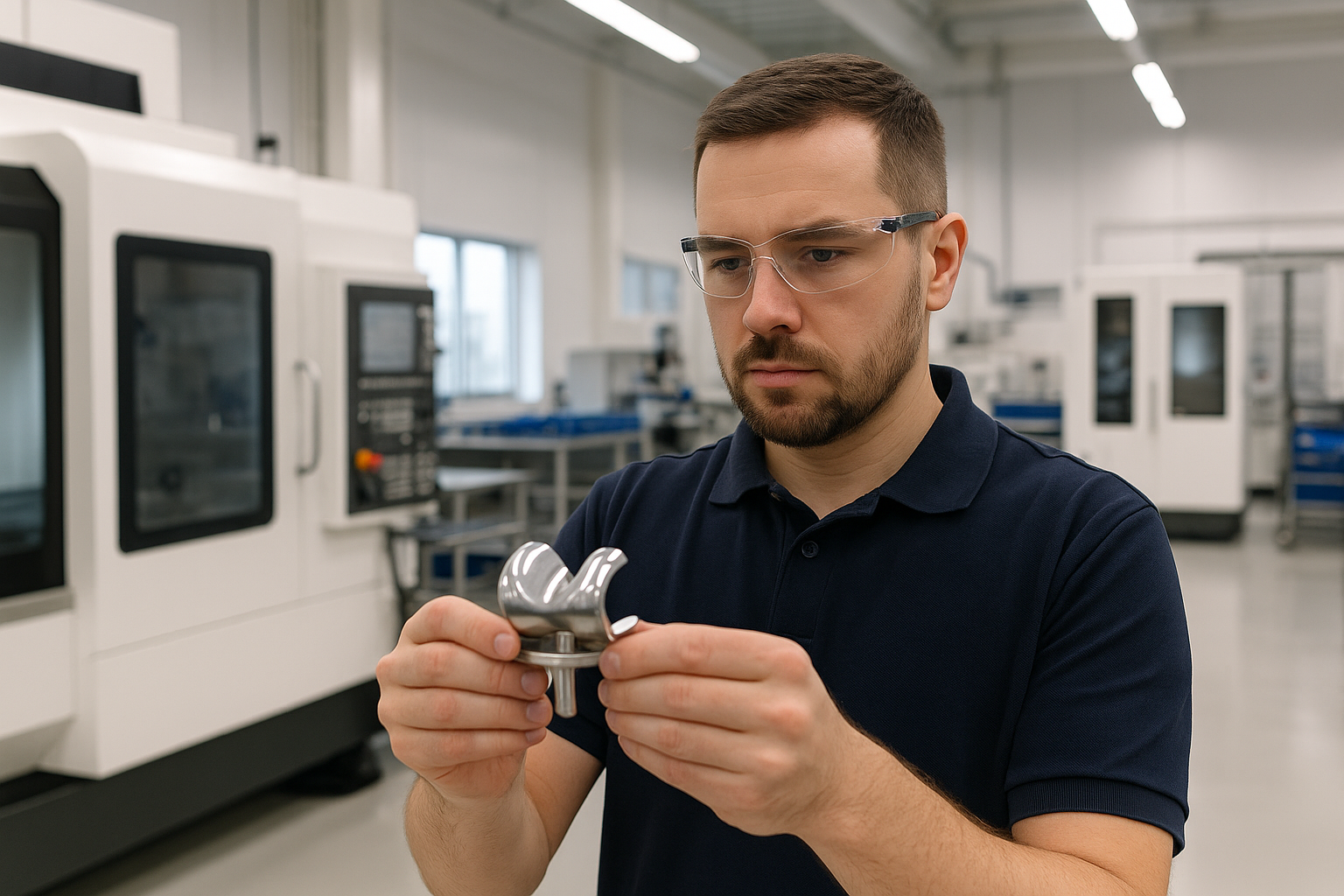
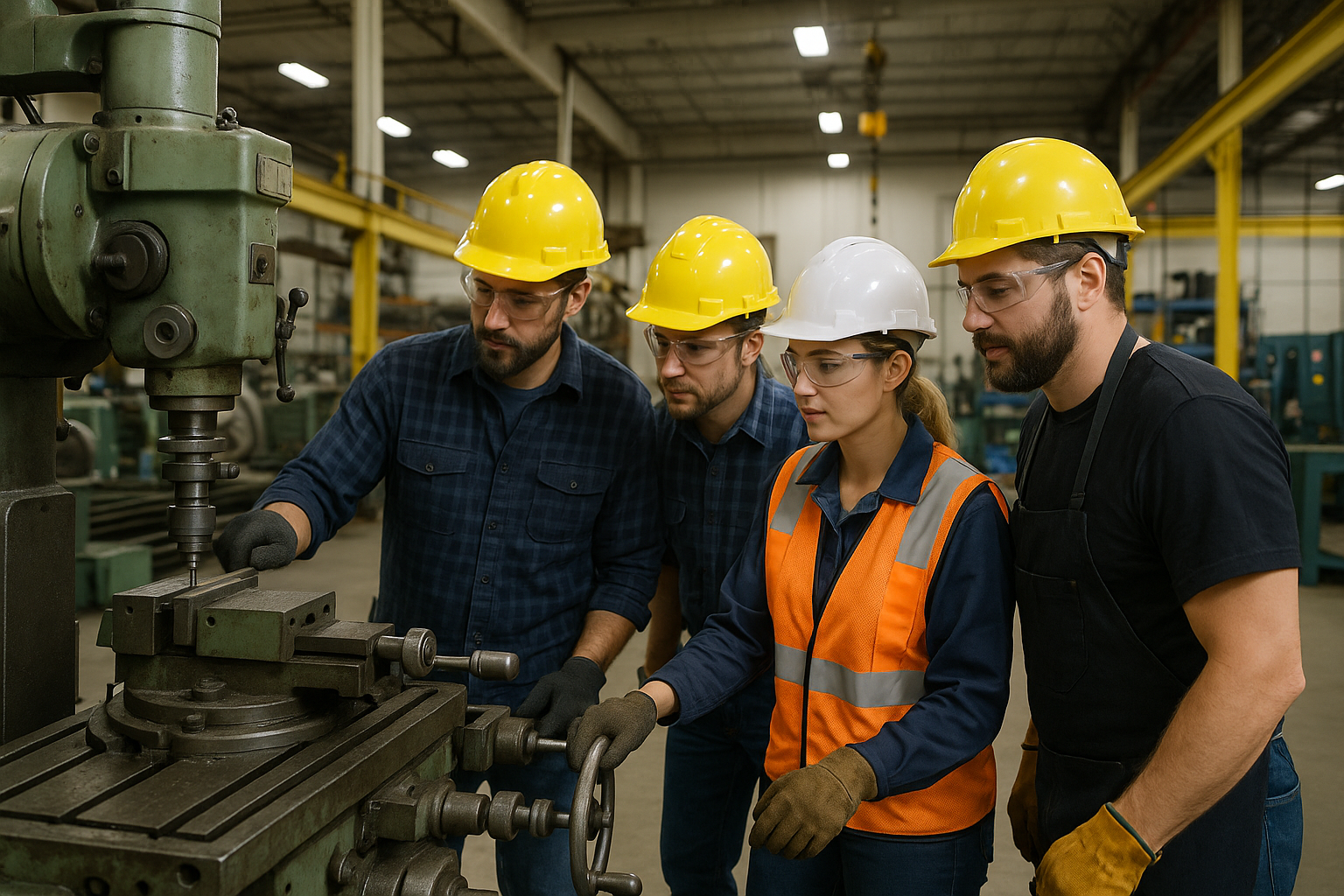
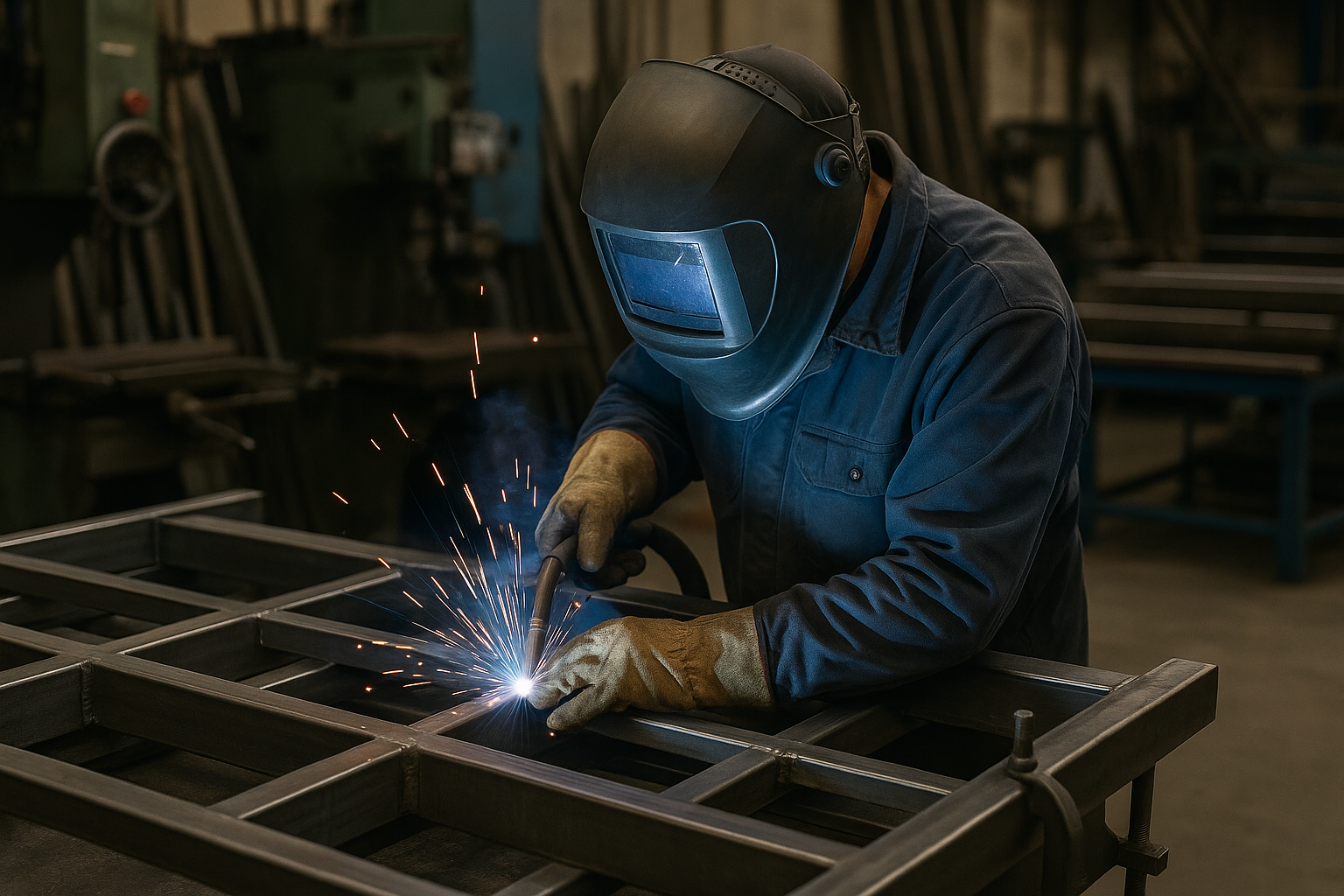
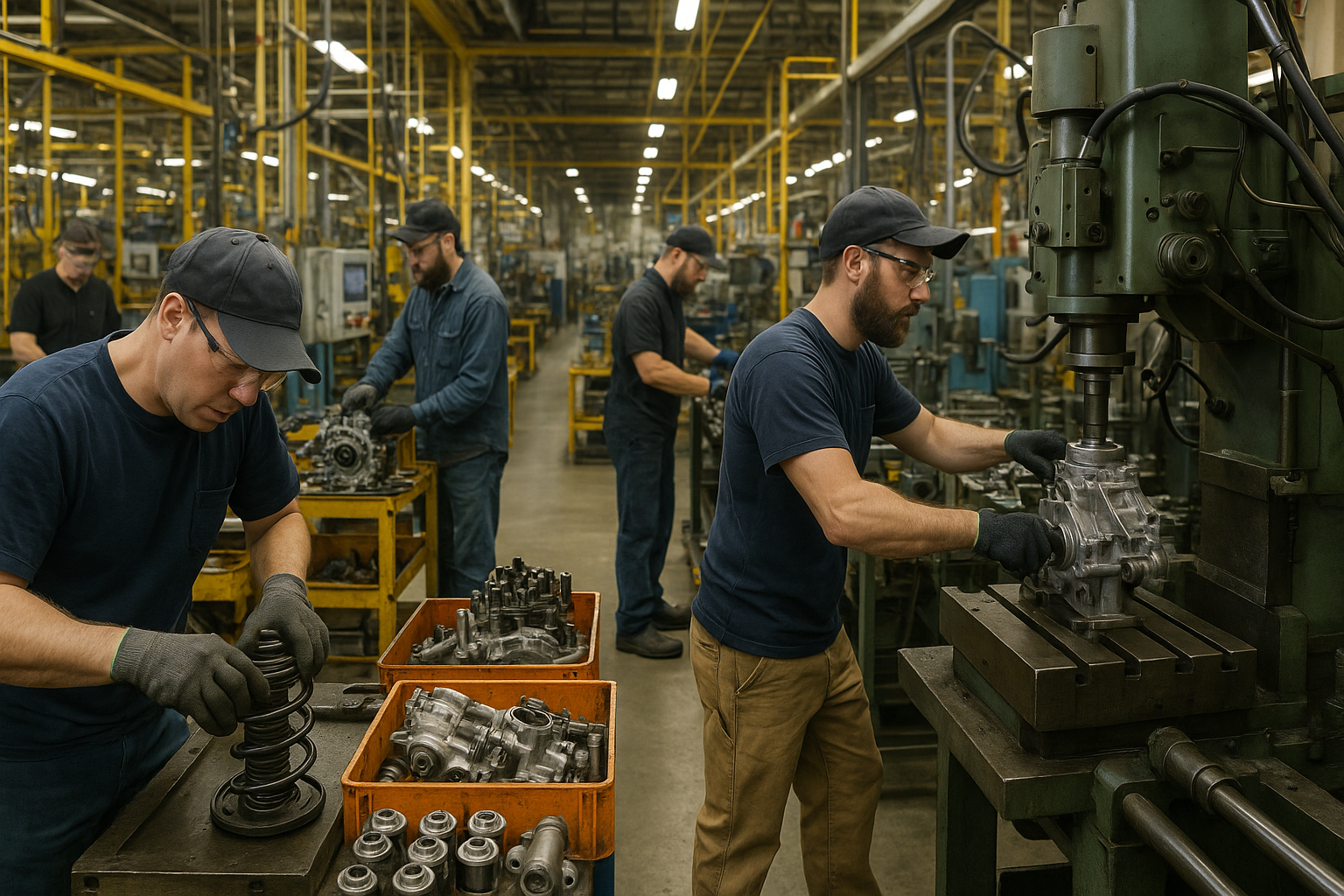
Roles in high demand include welders, pipefitters, electricians, millwrights, machine operators, CDL drivers, and production associates. Administrative and clerical support staff are also critical, especially for compliance and logistics coordination. The workforce here is shaped by both legacy industries and new projects, so employers must adapt to shifting needs and periodic surges in demand.
Workforce Trends and Hiring Challenges
Recruiting and retaining skilled tradespeople is a consistent challenge. Many positions require certifications, hands-on experience, and a strong emphasis on safety. Turnover can disrupt production schedules, especially when project timelines are tight or capacity ramps up. Employers often compete with one another for a limited pool of job-ready workers, especially during peak seasons or when major projects overlap.
Background checks, drug screening, and skills assessments are standard parts of the hiring process, helping ensure workers meet operational requirements. However, every facility has its own set of must-haves, from specific safety credentials to experience with certain machinery. Partnering with a staffing agency familiar with the Gulf Coast’s needs can help streamline this vetting process.
Industrial Staffing Options: What Works Best?
Employers in Alabama’s Gulf Coast benefit from a range of staffing models, depending on the nature of the work and long-term plans:
- Long-term hiring: For ongoing needs, this model provides consistent placements for key roles such as welders, material handlers, and machine operators.
- Temp-to-hire: This approach lets you evaluate a worker’s fit on the job before extending a permanent offer—a common practice for production and skilled trades.
- Direct hire recruiting: When you need a specific skill set or are building out a new team, direct hire recruiting brings in candidates who join your payroll from day one.
- Employer of Record: For long-term placements, Employer of Record services take on employment administration tasks, including payroll and benefits, which can be valuable for operational continuity. Note: This is not designed for large, short-term projects or seasonal peaks.
Safety, Compliance, and Regional Considerations
Workplace safety and compliance are non-negotiable in industrial and maritime settings. Regular inspections, PPE coordination, and safety training are important parts of maintaining a productive workforce. Compliance requirements can vary by state and contract, so employers should work with staffing partners who understand Alabama’s regulations and can adapt to site-specific needs.
Why Experience With Gulf Coast Industries Matters
Staffing for manufacturing and maritime work on Alabama’s Gulf Coast requires more than general recruiting experience. Understanding the demands of shipyards, industrial plants, and port operations means sourcing candidates who are not only skilled, but also comfortable with the region’s work culture and safety expectations. Learn more about staffing for shipbuilding and marine work in Mobile here.
Steps to Secure Dependable, Job-Ready Talent
To improve hiring outcomes in this region, employers should:
- Define the technical and compliance requirements for each role, including certifications and safety training.
- Partner with staffing agencies that conduct thorough background checks, drug screening, and skills assessments tailored to your facility.
- Consider flexible staffing models like temp-to-hire for roles with evolving needs.
- Stay updated on local workforce trends that could impact candidate availability or wage expectations.
Unfilled positions can create bottlenecks and impact productivity. For more on the hidden costs of vacancies, see this article on the real cost of leaving a production position unfilled.
Partnering With a Staffing Agency That Knows the Region
CDR ProSource, as part of CDR General Services, is designed to support industrial hiring needs across Alabama’s Gulf Coast. Our focus is on dependable, job-ready workers for skilled trades, production, transportation, and administrative roles. We adjust screening and onboarding to fit your requirements and help coordinate safety and compliance for your facility. Explore our main site or reach out for a quote to discuss your hiring needs.